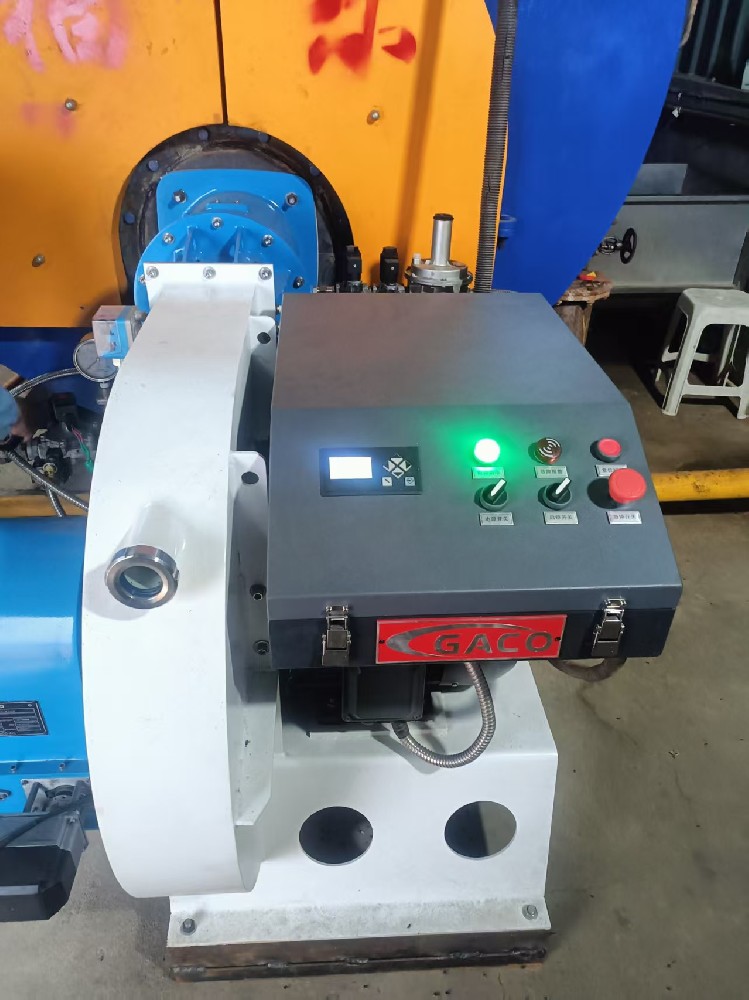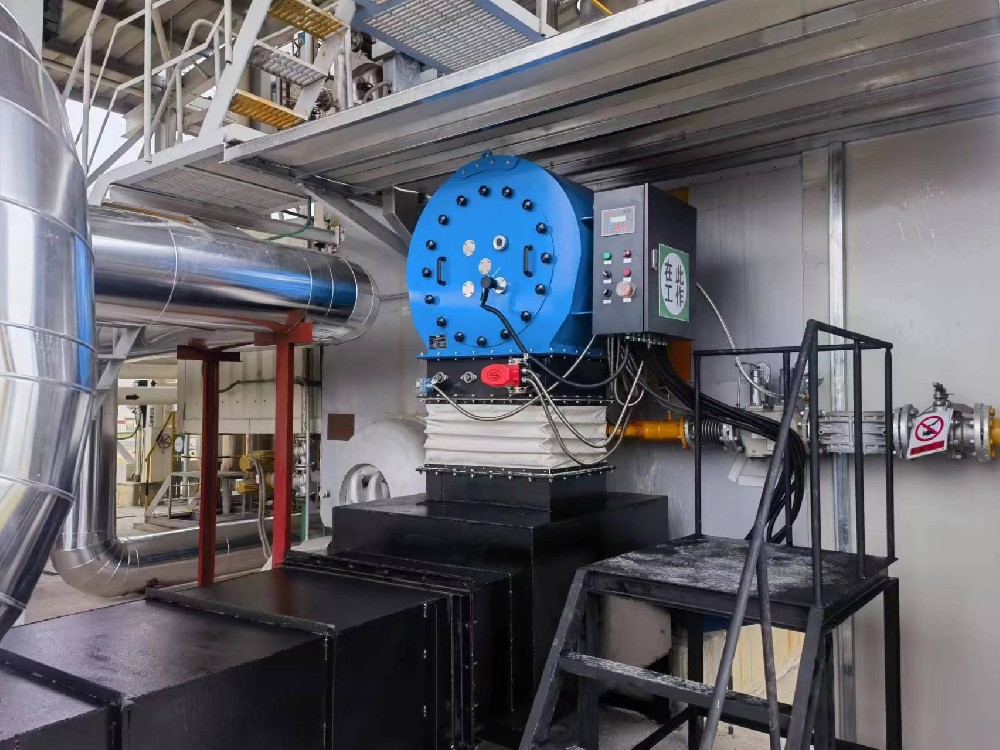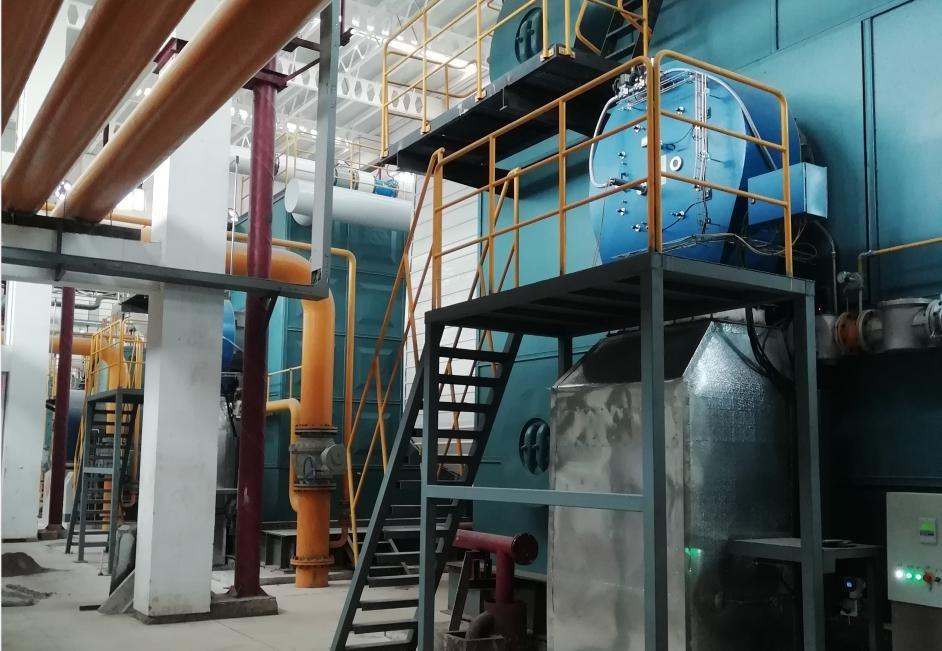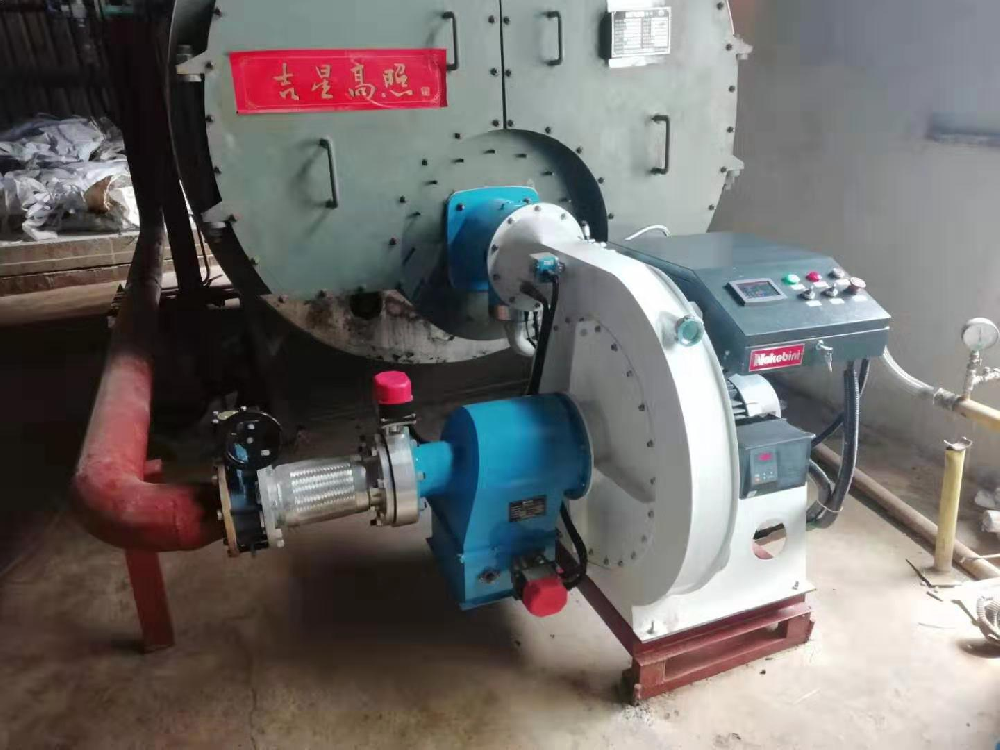
In industrial production and daily life, burners play an important role. Whether it is a large boiler in a factory or a gas water heater at home, the efficient and stable operation of the burner is indispensable. So, what systems make up a burner, and what roles do these systems each play? Today, let's explore the inner world of burners together.
1. Combustion System: The 'Heart' of the Burner
The combustion system is the core part of the burner, much like the heart of the human body. Its normal operation affects the overall performance of the burner. This system mainly consists of components such as the combustion head, nozzle, and air regulator.
The combustion head is the key area where fuel and air mix and ignite, and its design directly affects combustion efficiency and stability. A high-quality combustion head can ensure thorough mixing of fuel and air, guaranteeing complete combustion and reducing pollutant emissions.
The nozzle is responsible for accurately injecting fuel into the combustion area, and different types of fuel require different nozzles. For example, the nozzles of gas burners and oil burners have obvious differences in structure and working principles.
The air regulator is used to adjust the amount of air entering the combustion area. By properly controlling the ratio of air to fuel, it ensures that combustion occurs under optimal conditions. When the air supply is insufficient, the fuel cannot burn completely, producing a large amount of black smoke and carbon monoxide; on the other hand, if there is too much air, it will lower the combustion temperature and affect combustion efficiency.
2. Fuel Supply System: A Stable 'Source of Energy'
The fuel supply system continuously provides fuel to the burner, just as important as a car's fuel tank and fuel lines. For gas burners, this system includes gas valves, filters, pressure regulators, and other components. The gas valve controls the flow of gas, the filter is used to remove impurities from the gas to prevent clogging the burner nozzle and affecting combustion performance, and the pressure regulator ensures that the gas enters the burner at a stable pressure, guaranteeing stable combustion.
In a fuel oil burner, the fuel supply system is more complex. In addition to equipment such as the oil pump, oil filter, and oil heater, the atomization of the fuel also needs to be considered. The oil pump delivers fuel from the tank to the burner, the oil filter removes impurities, and the oil heater heats the fuel as needed to reduce its viscosity, facilitating better atomization. Good atomization ensures that the fuel thoroughly contacts the air, achieving efficient combustion.
3. Control System: The 'Smart Brain' of the Burner
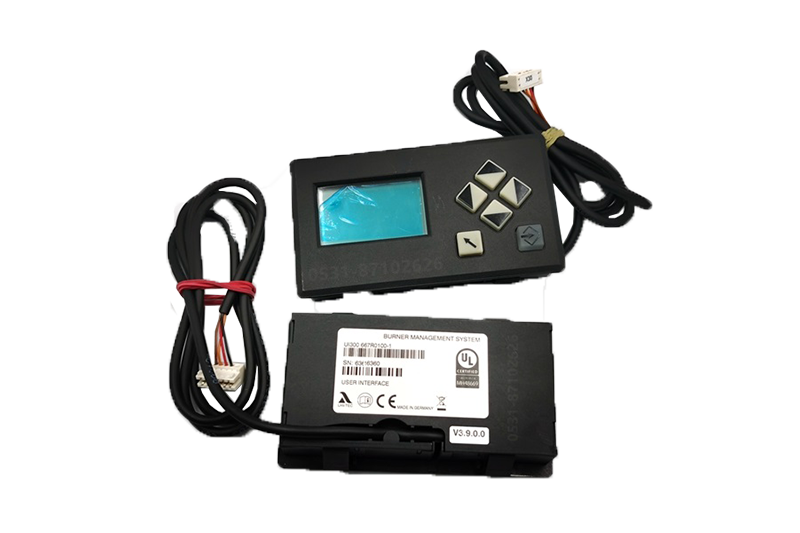
The control system is the 'intelligent brain' of the burner, responsible for monitoring and regulating various operating parameters of the burner to ensure its safe, stable, and efficient operation. It usually consists of components such as controllers, sensors, and actuators.
The controller is the core of the entire control system. It receives signals from sensors, such as temperature, pressure, and flame detection signals, and issues commands to actuators based on preset programs and parameters. For example, when the burner's temperature is too high, the controller instructs the fuel supply system to reduce the fuel supply while increasing the air supply to lower the combustion temperature.
Sensors are like the 'eyes' and 'ears' of a burner, monitoring its operating status in real time. Temperature sensors measure the temperature of the combustion area, pressure sensors detect the pressure of fuel and air, and flame detection sensors are used to determine whether the flame is burning normally. Once an abnormal condition is detected, the sensors immediately transmit signals to the controller so that timely measures can be taken.
The actuator operates the various components of the burner according to the instructions from the controller. For example, it adjusts the opening of the fuel valve to control the fuel supply and adjusts the angle of the damper blades to change the air volume.
4. Ignition System: The 'Key' to Starting Combustion
The ignition system is an indispensable part of the burner startup; it is like the 'key' that ignites combustion. Common ignition methods include electric spark ignition and high-energy ignition.
Electric spark ignition works by generating a high-voltage spark between electrodes to ignite the fuel-air mixture. This ignition method is simple in structure, low in cost, and widely used in small burners, such as household gas stoves and small gas water heaters.
High-energy ignition is suitable for large burners or situations where ignition reliability is critically important. It uses a high-energy igniter to generate a high-energy electric spark, which can ignite fuel more reliably, especially when the fuel concentration is low or environmental conditions are harsh.
The various systems of a burner work together and are all indispensable. The combustion system achieves the burning of fuel, the fuel supply system provides the fuel needed for combustion, the control system ensures the stable operation of the burner, and the ignition system creates the conditions for the start of combustion. Understanding the working principles and importance of these systems not only helps us use and maintain the burner better but also provides theoretical support for technological innovation and optimization in related fields.

State Power Investment Group Co., Ltd. (referred to as "State Power Investment") is a super large st···

The coal chemical industry has a wide variety of products, a large economic output, and a wide coverage area, ···
24 hours dedicated to serving you
15563365608(wechat)
Address:No. 9 Ningshi Road, Zhangqiu District, Jinan City, Shandong Province
Email:admin@gacoch.com